
 Português
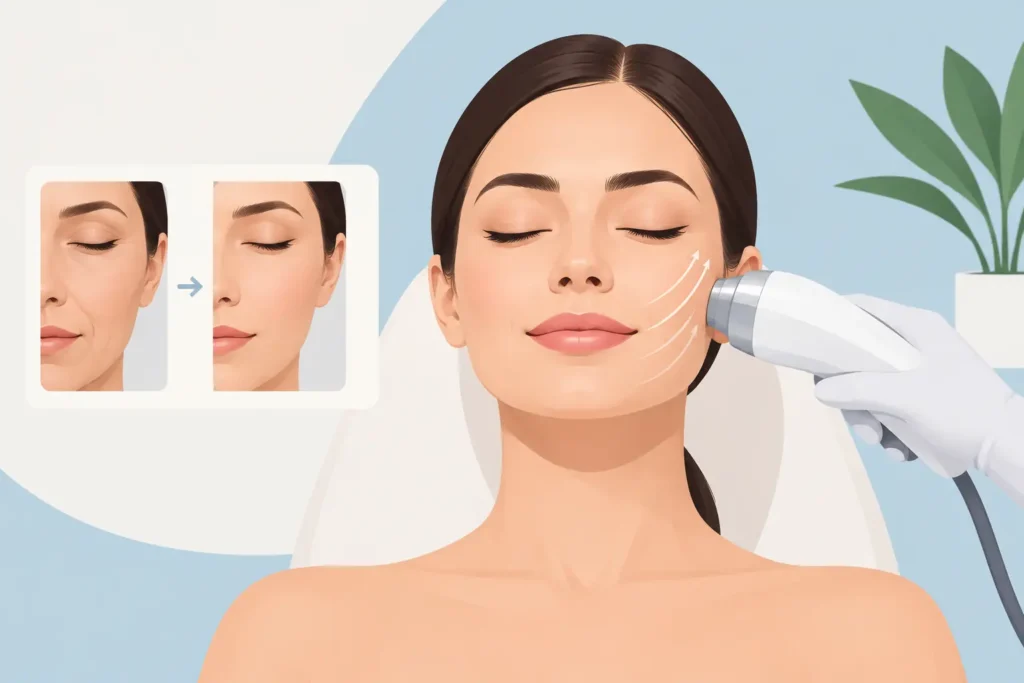
A softened jawline, fine creasing around the mouth, or skin that no longer sits as smoothly along the neck can change the way the face reflects your energy. For patients who want meaningful refinement without incisions or a surgical recovery, nonsurgical skin tightening can be an appealing first step. The right treatment can improve skin quality, encourage collagen renewal, and create a subtly firmer appearance while preserving the expression and character that make a face uniquely yours.
The key is to approach these treatments with clear expectations. Nonsurgical technology can improve mild to moderate laxity, but it cannot reproduce the structural correction of a well-performed facelift, neck lift, or body contouring procedure. A thoughtful consultation distinguishes between what can be refined with collagen-stimulating treatments and what requires surgical repositioning for a more enduring transformation.
What Nonsurgical Skin Tightening Actually Does
Most skin-tightening treatments work by delivering controlled energy below the skin’s surface. This energy gently heats targeted tissue, prompting the body to remodel existing collagen and produce new collagen over time. Collagen is the protein network that helps skin remain resilient, smooth, and supported. As it naturally declines with age, the skin may appear thinner, looser, and less defined.
The improvement from treatment is gradual by design. Rather than suddenly changing the face or body, collagen remodeling develops over several weeks to months. This makes nonsurgical treatment particularly attractive for patients seeking a discreet, natural-looking refreshment before an event, after a period of stress or weight change, or as part of a long-term aesthetic care plan.
Results vary according to the treatment selected, the quality of the skin, age, genetics, sun exposure, and the degree of laxity present. A patient in their thirties with early jawline softness may see a noticeable improvement in firmness. A patient with significant neck banding, pronounced jowls, or excess abdominal skin may still benefit in skin texture, yet should not expect the contour change possible with surgery.
The Main Options for Nonsurgical Skin Tightening
Different technologies are designed for different depths of tissue and aesthetic concerns. The best recommendation is not always the newest device or the most intensive treatment. It is the option that matches the area, the quality of the skin, and the result you hope to achieve.
Radiofrequency treatments
Radiofrequency uses heat to stimulate collagen remodeling within the dermis and, in some protocols, deeper tissue layers. It may be used on the face, neck, abdomen, arms, thighs, and other areas where mild laxity is the concern. Depending on the technology, treatment may be performed externally or combined with microneedling.
Radiofrequency microneedling is often considered when patients want to address more than looseness alone. By creating controlled microchannels while delivering energy into the skin, it can support improved texture, fine lines, pores, and certain types of scarring alongside gradual firming. Temporary redness and swelling are common, and a short period of social downtime may be preferred.
Ultrasound-based tightening
Focused ultrasound directs energy to specific depths beneath the surface of the skin. It is commonly used for subtle lifting of the brow, cheek, jawline, and upper neck. Because the skin surface remains intact, many patients return to their usual routine quickly.
Ultrasound can be valuable for an early loss of definition, particularly for patients who prefer a single treatment session. Its outcome is generally refined rather than dramatic, and final collagen remodeling takes time. Some patients experience tenderness during treatment or sensitivity afterward, which should be discussed before scheduling.
Laser and light-based treatments
Certain laser treatments can encourage collagen production while also improving tone, texture, fine lines, and sun-related changes. These treatments are often a strong choice when crepey skin and uneven texture contribute as much to the appearance of laxity as the loss of firmness itself.
The balance is downtime. More intensive resurfacing may offer more visible skin renewal but can involve redness, peeling, and a carefully managed recovery period. Lighter treatments are easier to fit into a busy schedule, though they often require a series of sessions and produce a more modest change with each visit.
Biostimulatory injectables and volume restoration
Skin laxity is not always a skin-only concern. In the face, the gradual loss of fat and bone support can make the skin appear to descend. Strategic restoration of volume can improve facial balance and soften the look of folds without creating an overfilled appearance.
Biostimulatory injectables may encourage collagen production over time, while carefully placed filler or autologous fat grafting can restore selected areas of volume. These treatments do not tighten loose skin in the same way energy devices do. However, when used appropriately, they can support a more rested, youthful contour and complement a skin-tightening plan.
Who Is a Good Candidate?
The most satisfied patients generally have mild to moderate skin laxity and realistic goals. They may notice that makeup settles into fine lines, the lower face looks less defined in photographs, or the neck has begun to lose its crisp contour. They want improvement but do not feel ready for surgery, or they prefer to preserve surgery for a later stage of life.
Healthy adults with stable weight and good overall skin quality are often excellent candidates. Smoking, significant sun damage, active skin conditions, certain implanted devices, and pregnancy may affect treatment eligibility depending on the technology. A detailed medical history and in-person skin assessment are essential for a safe recommendation.
Nonsurgical approaches are also useful for patients who have already had a surgical procedure and wish to maintain skin quality over time. They can become part of a refined maintenance strategy, alongside medical-grade skincare, sun protection, and periodic evaluation as the face and body continue to change naturally.
When Surgery May Be the More Elegant Choice
There is no benefit in presenting a nonsurgical option as a substitute for surgery when it is not. If loose skin hangs over the jawline, the neck has substantial laxity, the brows have descended considerably, or the abdomen has excess skin after pregnancy or weight loss, surgery may deliver the more beautiful and predictable result.
A Deep Plane facelift, for example, addresses deeper facial structures rather than simply tightening the surface. A neck lift can redefine the jaw and neck with a level of correction that external energy devices cannot provide. Similarly, an abdominoplasty removes excess abdominal skin and repairs muscular separation when appropriate, while nonsurgical treatments can only offer a limited improvement in tissue quality.
Choosing surgery does not mean choosing an exaggerated look. With precise planning and meticulous technique, the goal is to restore proportion, definition, and ease of expression. For international patients considering treatment in Brazil, the decision should also account for the recovery time required before travel, follow-up arrangements, and the level of support needed during healing.
What to Expect From Treatment and Recovery
Most nonsurgical skin-tightening sessions are performed in the office. A topical anesthetic may be used for treatments involving microneedling or more intensive energy delivery. Depending on the area and technology, appointments can range from under an hour to longer for multiple body areas.
Immediately afterward, the skin may feel warm or appear pink. Swelling, tenderness, and temporary sensitivity are possible. Recovery is typically far easier than surgery, but it should not be dismissed as entirely effortless. Following aftercare instructions, limiting sun exposure, and allowing the skin to heal properly protect both comfort and results.
Some treatments are completed in one session, while others are planned as a series. Collagen remodeling is gradual, so visible improvement often begins after several weeks and continues to develop for three to six months. The longevity of results depends on the treatment, the area treated, and the natural aging process. Many patients choose periodic maintenance to preserve their outcome.
A Personalized Plan Creates the Best Result
The question is rarely whether a treatment works. The more meaningful question is whether it is the right treatment for your anatomy, skin quality, lifestyle, and desired degree of change. An expert assessment should consider the skin, underlying tissue support, facial volume, and the way each area relates to the whole.
At Dr. Hebert Lamblet Plastic Surgery, aesthetic planning is centered on natural proportion rather than a one-size-fits-all solution. For some patients, nonsurgical skin tightening is the ideal way to refresh and maintain. For others, a surgical approach may offer greater harmony and a result that better honors their goals. The most reassuring next step is a candid consultation where every option is considered with precision, discretion, and your long-term confidence in mind.
